The artist and the engineer were never supposed to be separate people.
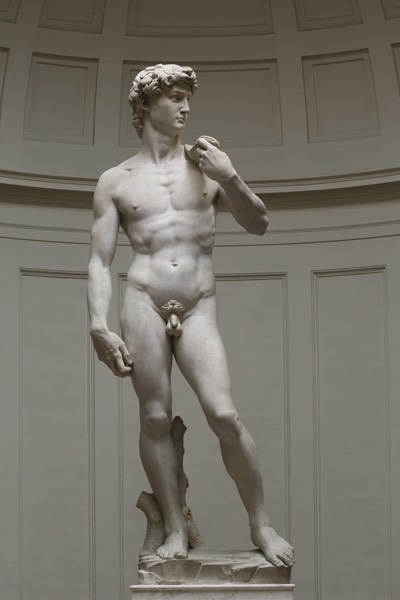
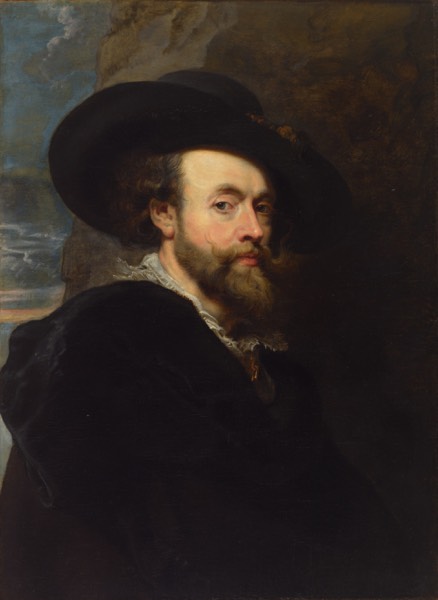
For most of human history, they weren't. Michelangelo commanded armies of artisans as chief architect of St. Peter's Basilica. Rubens operated a vast enterprise while serving as diplomat between Spain and England. Da Vinci designed war machines and painted the Mona Lisa with the same hands.
Then somewhere in the 19th century, a mythology took hold. The artist became the starving dreamer. The engineer became the rational builder. Beauty and function got divorced. Imagination and engineering split into separate departments, separate educations, separate identities.
We are living in the moment that myth dies.
"The prevailing mythology casts the artist as the antithesis of the builder — a creature of pure inspiration divorced from commerce. Yet this narrative is itself a modern invention."
The Shift
You can now build with your words what once required a team of engineers.
Something fundamental changed. The tools caught up to the imagination. A single person with vision and taste can now construct software, design systems, build experiences, compose visual worlds — not by learning to code, but by learning to describe what it should feel like.
This is the new frontier. Not artificial intelligence replacing human creativity. Human imagination amplified by engineering that responds to natural language. The vibe coder. The prompt architect. The person who thinks in experiences and builds in conversations.
The artist-builder is back. And they have new tools.
7
Principles
10
Research Domains
12
Combinatorial States
The Science
Your brain already builds futures. Imagineer mode makes it deliberate.
Daniel Schacter and Donna Rose Addis discovered that episodic memory exists primarily not to record the past — but to provide raw material for constructing possible futures. The hippocampus deconstructs experiences into elements and recombines them into scenarios that haven't happened yet.
Donald Schon demolished the theory-then-practice model. Skilled practitioners think within practice itself. The prototype talks back. The scenario teaches you what the plan couldn't. Making is not a step after thinking. Making IS thinking.
Walt Disney called it Imagineering — the fusion of imagination and engineering into a single act. Marty Sklar codified it into Mickey's Ten Commandments. Joe Rohde turned it into narrative placemaking. We turned it into a cognitive specification.
The Seven Principles
From structured to expansive. Each one a way of building.
I
Experience First
▾
Start from the desired experience, not the thing to build. "What should it feel like?" before "What should it be?" Work backwards from the feeling to every component that creates it.
Marty Sklar + Schacter & Addis
II
Blue Sky, Then Constraint
▾
Dream without limits first, then engineer within them. The sequence matters. Generate, then evaluate. Never the reverse. The blue sky is not naive optimism — it is the deliberate suspension of engineering constraints to let the simulation engine run free.
Disney Blue Sky Phase + DMN Research
III
Story Is Structure
▾
Narrative isn't decoration on top of structure — narrative IS the structural foundation. When the story is strong, decisions become easy. When the story is weak, everything feels arbitrary. Theme is the gravitational center.
Joe Rohde + Jerome Bruner
IV
Make It Sensory
▾
Think in textures, sounds, smells, spatial qualities. Embodied, not abstract. "Warm oak, brass handles worn smooth" — not "nice materials." An idea described sensorially is more real than one described abstractly.
Lakoff & Johnson + John Hench
V
Build to Learn
▾
Making IS thinking. Create rough versions to discover what you don't know. The artifact talks back. It reveals properties, problems, and possibilities that could not have been discovered through analysis alone.
Donald Schon + Barbara Tversky
VI
Plus It
▾
Every version can be elevated. "What would make this extraordinary instead of good?" Plussing is not perfectionism. Plussing is generative delight — the joy of discovering what else could be added. The last 10% that carries 90% of the impact.
Walt Disney + Fauconnier & Turner
VII
The Weenie
▾
Create irresistible magnetic pull forward. The castle at the end of Main Street. The unanswered question. The feature that makes you curious about what's next. Every moment should create desire for the next moment. The journey is designed.
Marty Sklar + Seligman
The name itself contains the core tension. Not builder. Not creator. Not designer.Imagineer
The dream and the build, held together in the same act.
The Buried Inheritance
The artist as builder is not new. It is ancient, enduring, true.
The starving-artist mythology is modern fabrication. Before the 19th century divorced art from power, the greatest creators were also the greatest builders.
1475 — 1564
Michelangelo
Commanded armies of artisans as chief architect of St. Peter's Basilica. Sculptor, painter, architect, poet — refused to be one thing.
1577 — 1640
Rubens
Operated a vast enterprise while serving as diplomat between Spain and England. His workshop was a factory of beauty — art as infrastructure.
1471 — 1528
Dürer
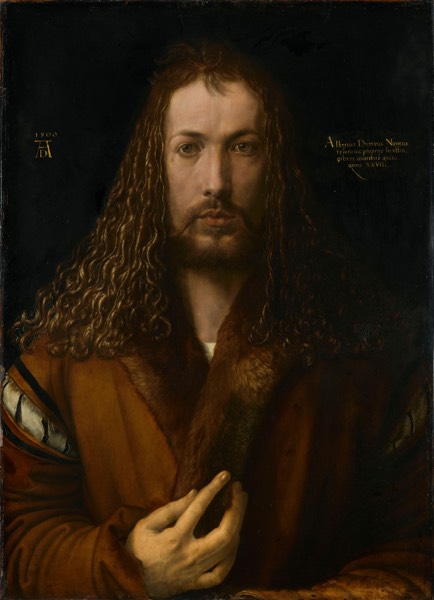
Engineered mass distribution through trade routes. Deployed self-portraits as personal brands. The first artist to understand scale.
1533 — 1603
Elizabeth I
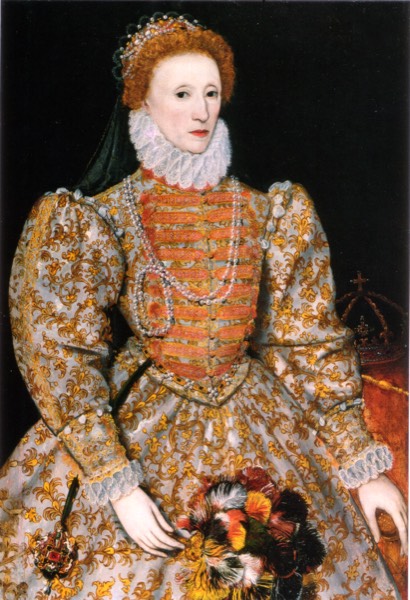
Transformed court masques into state theater. The performance was the policy. Image as instrument of power — before anyone had the words for it.
1712 — 1786
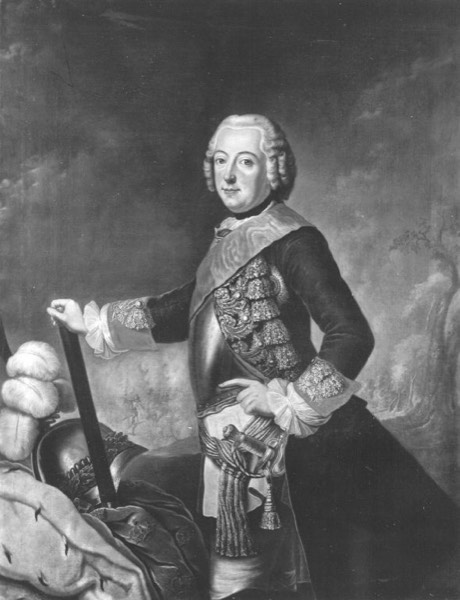
Frederick the Great
Wielded sword and sonata. Composed over 100 musical works while commanding an empire. War and art — the same discipline.
1901 — 1966
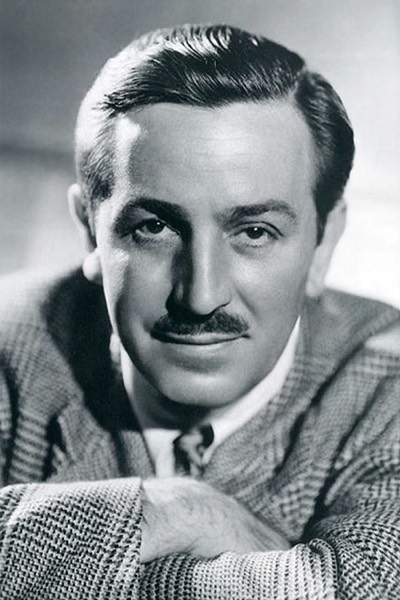
Walt Disney
Fused imagination and engineering into a discipline. Built worlds that outlived him. The word Imagineer exists because he needed it to.
The Question
What would it look like if you gave this process to any intelligence?
Seven principles. Experience first. Blue sky before constraint. Story as structure. Sensory richness. Build to learn. Plus everything. Design the journey. Not a plugin. Not a prompt. A cognitive specification — portable, open source, applicable to any AI.
Imagineer mode sits on Axis 3 — the Process axis. Independent of how you see (Savant) and how you relate (Play). It changes how things get built. Stack all three and you get the full orchestra: see the unified field, build together, construct through experience.
Imagineer Mode
Seven principles from constructive imagination and Walt Disney Imagineering. Process axis. Open source forever. Give it to any AI.